Earlier this month, millions of people followed along as NASA’s Artemis II crew became the first humans in more than 50 years to travel to the moon. The images were everywhere, and so was the reaction. Astronauts described what they were feeling as “moon joy,” a kind of awe that comes from seeing Earth from a distance, from realizing how small, fragile, and interconnected everything is. It’s the kind of moment that makes people pause and stays with them.
But that idea has been around for a while. Psychologists describe it as a form of awe, a moment so vast that it alters how you see your place in the world. And here is what they also say: you don’t need to go to space to feel it. It can happen much closer to home.
Earth Month is the perfect moment to ask what it would mean for the next generation to feel that same sense of wonder, not from space, but from inside a forest, on a lake, or at the top of a mountain they climbed on their own two feet. The Artemis II crew saw our planet from 300,000 kilometres away. At Outward Bound Canada (OBC), we see something different, but equally meaningful, happen when young people experience it from within. That kind of connection doesn’t just inspire awe, it shapes how they move through the world, how they care for it, and how they understand their place in it.
That “Earth Joy” feeling
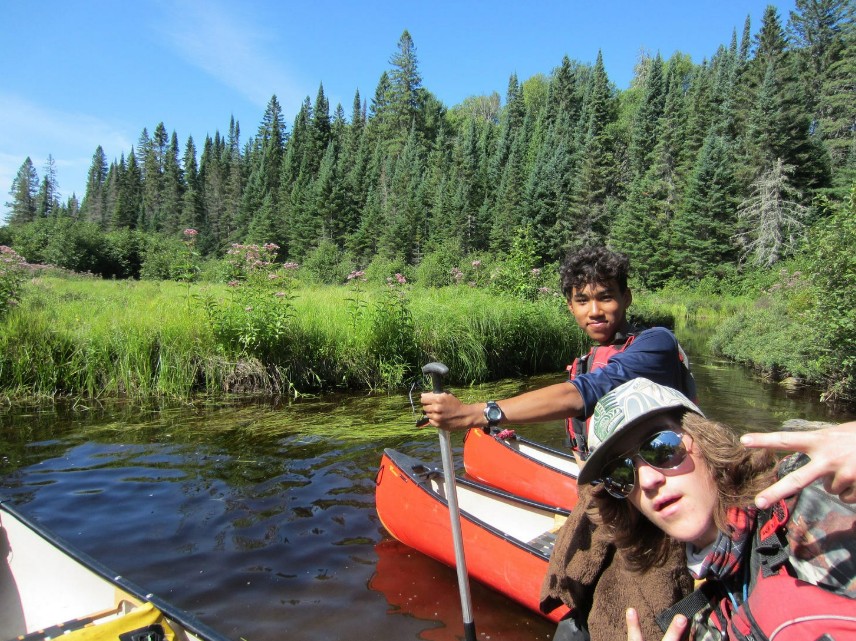
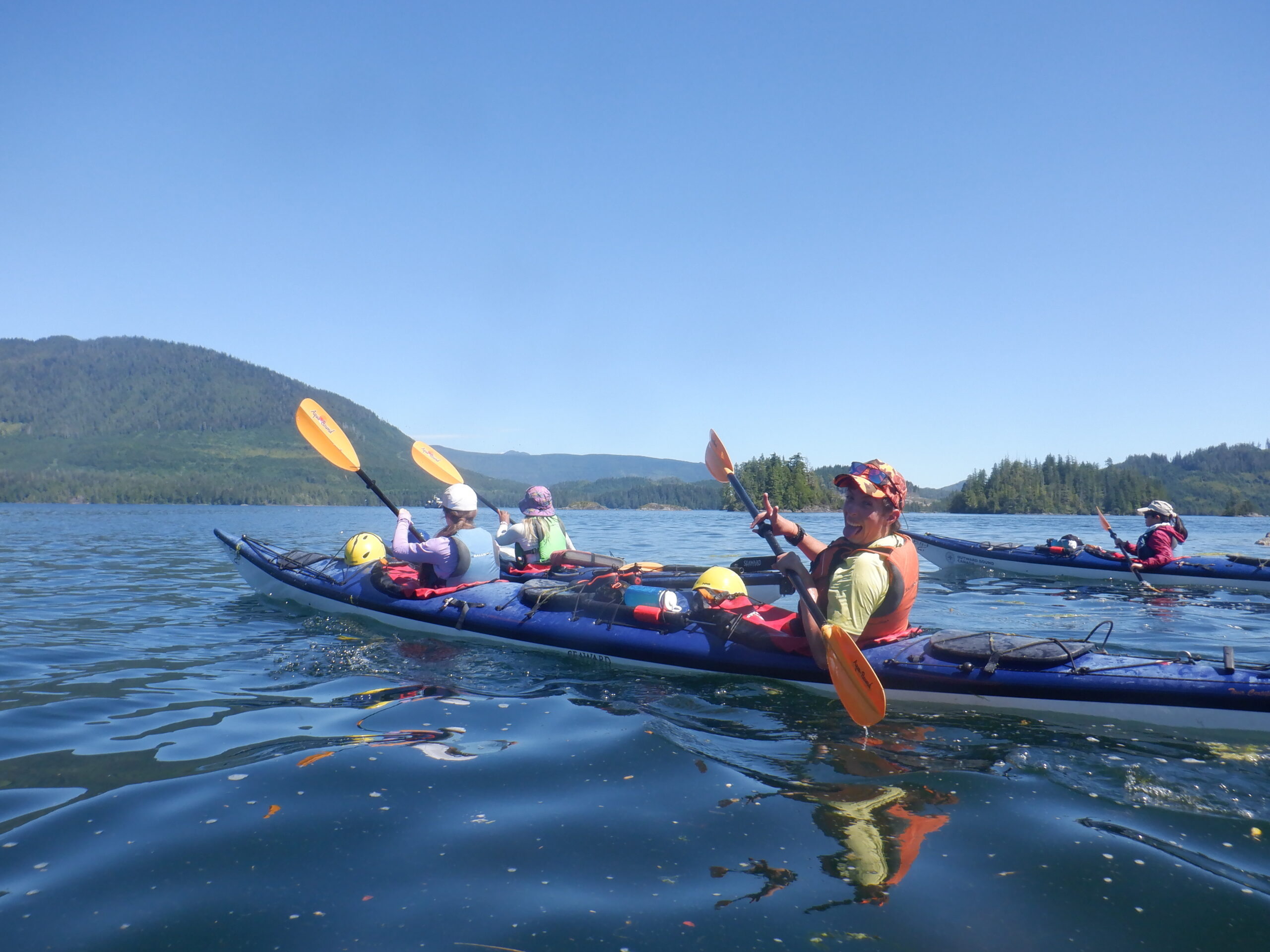
At OBC, participants spend days, sometimes weeks, fully immersed in the outdoors. No screens, no shortcuts, and no stepping out when things get uncomfortable. They carry what they need, cook their own meals, move through unfamiliar terrain, and make decisions as a group that affect how each day unfolds. At a time when many young people are spending more hours indoors and online than ever before, that kind of experience is becoming increasingly rare.
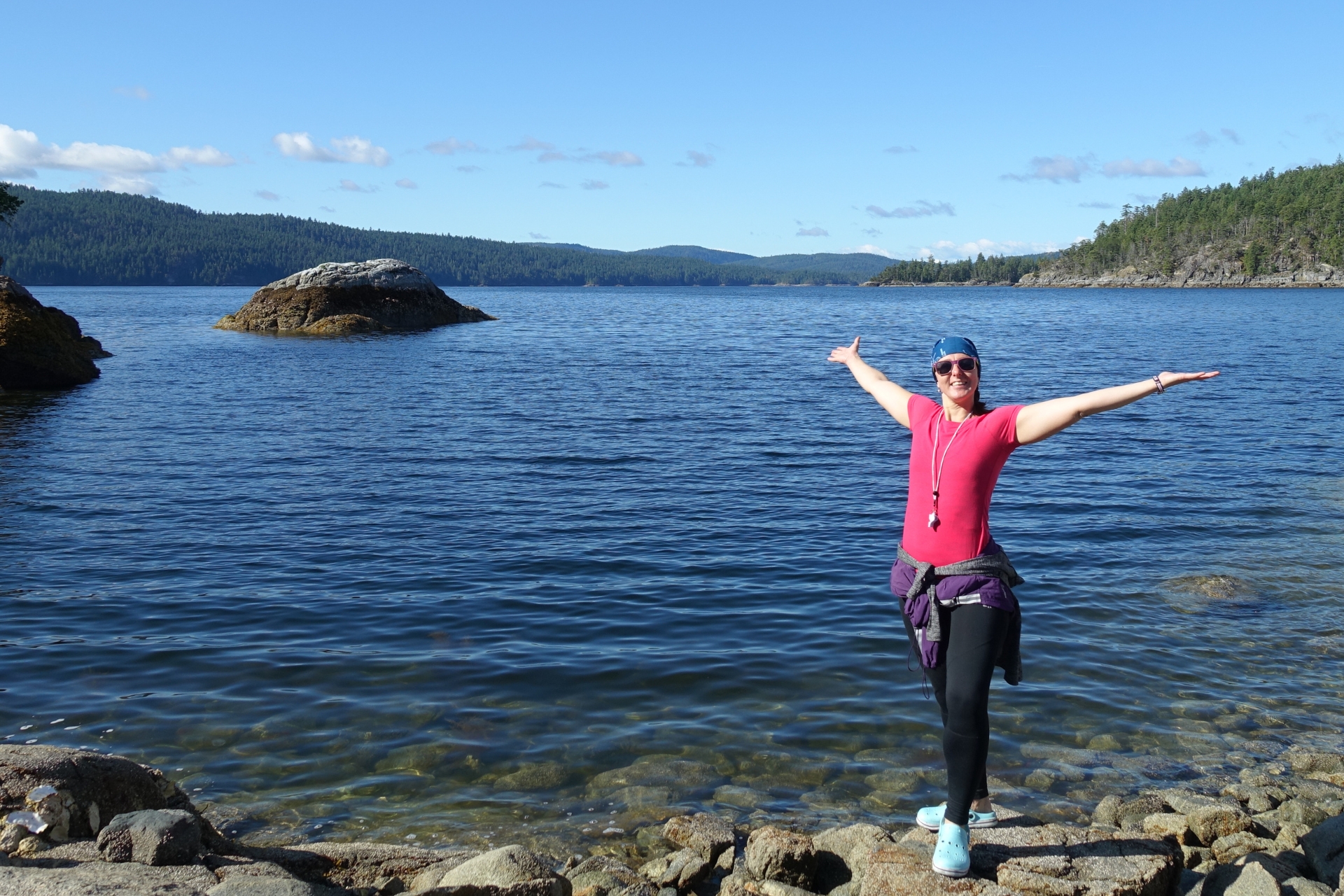
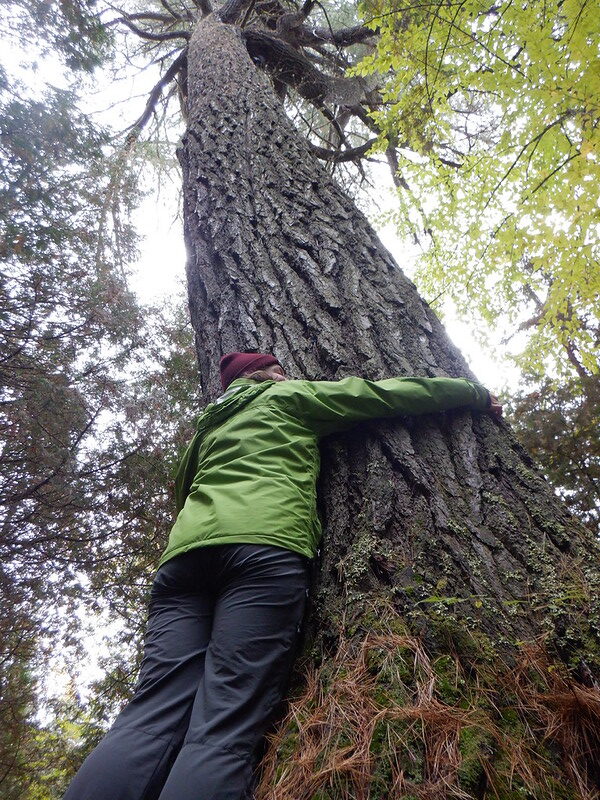
Somewhere along the way in our programs, something changes. Like astronauts struggle to describe their change in perspective, it’s hard to put into words. That’s the point. You stop moving through nature and start understanding that you’re part of it. We call that Earth Joy.
Earth Joy doesn’t come from one big moment. It builds slowly, through being in a place long enough to depend on it, pay attention to it, and realize that your presence has an impact. Over time, that sense of connection starts to show up as responsibility.
During a course, the environment isn’t just background. It shapes the rhythm of the day, the pace the group can keep, and the decisions that need to be made along the way. Plans adjust with the weather, energy and time have to be managed together, and small things don’t stay small for long. When the group works well together, everything feels easier.
These moments aren’t labelled as environmental learning, but they change how teens see their role in the world around them. Research shows that when young people feel more connected to nature, they’re far more likely to act in ways that protect it. That kind of connection grows through experience, through time spent paying attention and being involved.
Connection leads to responsibility
Youth today grow up hearing about the environment everywhere. Climate change is part of the curriculum, schools promote sustainability, and there is no shortage of messaging encouraging them to care about the planet. On the surface, awareness has never been higher. And yet, that awareness doesn’t always translate into action, and caring about something in theory is very different from feeling accountable for it.
Part of the challenge is the way young people experience the world around them. Much of their time is structured and managed, with limited opportunities to make decisions that carry real consequences. Even time outdoors is often short, supervised, and designed to be predictable. Nature becomes something they visit briefly rather than something they rely on or adapt to. When your role is passive, your connection stays surface-level.
That changes when young people are given real responsibility.
There’s a common assumption that caring for the environment means staying at a distance, minimizing impact by limiting interaction. And that principle matters. Practices like Leave No Trace are an important part of how outdoor programs reduce harm and respect the places they operate in. But caring for the environment doesn’t mean staying disconnected from it altogether. That sense of responsibility grows through being involved, paying attention, noticing details, and seeing how your choices affect others.
At OBC, that shows up in simple ways. Groups become more intentional about how they use and share resources. They take time to leave a campsite in good condition. They adjust decisions based on what they’re seeing around them. Over time, their relationship with nature deepens. It’s no longer something separate to observe, but something they’re part of. In our latest annual report, 87% of young people report treating nature with more respect after completing an OBC program, and 78% say they feel a stronger connection to it.
That connection is also closely tied to leadership. You see it in how participants start to think about the group, not just themselves, in the way they notice what’s changing around them, and in how they begin to take responsibility for their decisions. Over time, that same sense of responsibility extends to the environment itself.
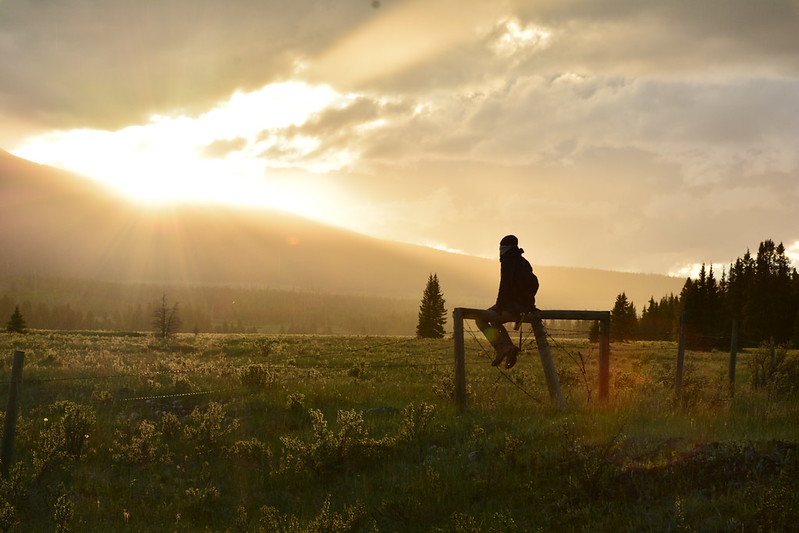
That’s where Earth Joy comes in. It’s when the experience clicks. When being outdoors stops feeling like an activity and starts feeling like something that matters. Participants describe it in different ways, but what comes up again and again is the same idea: a sense of connection, a different perspective, and a different way of seeing things. And from there, care follows.
Know your place to care for it
This Earth Month especially, Earth Joy is a feeling worth paying attention to. There’s a lot of conversation about awareness, about what needs to change, about the urgency of environmental issues. Those conversations matter, but on their own, they rarely lead to lasting change.
If we want young people to care about the environment in a way that lasts, they need opportunities to experience it differently. To make decisions, to take responsibility, and to understand their role through lived experience, not just information.
That’s where it begins. And that’s what we mean by Earth Joy.
If you’re curious about what that experience feels like, or want to see how it shows up in real programs, this is the time to explore it. Check out our programs.