There’s a lot of concern right now about youth mental health, and the data backs it up. In Canada, about 1 in 5 young people report symptoms consistent with a mental health disorder, and rates of anxiety and depression have increased significantly over the past decade. Emergency department visits for mental health concerns among youth have also been rising, especially since the pandemic.
At the same time, more young people than ever are accessing therapy, receiving diagnoses, and being prescribed medication. Yet many families, educators, and professionals are left asking the same question: why doesn’t it feel like things are improving?
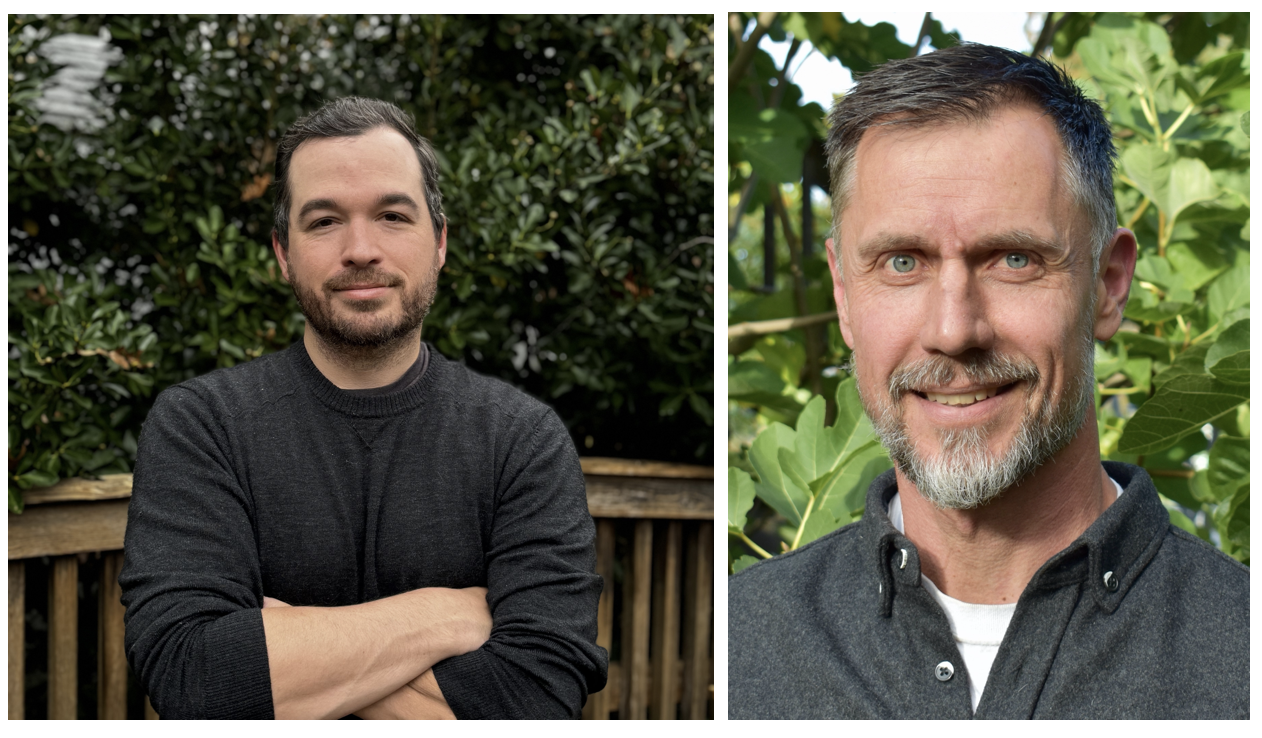
In their new book Kids These Days, Will Dobud and Nevin Harper take a closer look at what’s behind this moment, and challenge some of the assumptions shaping how we support young people today. Nevin Harper is also a member of Outward Bound Canada’s Research Advisory Council, bringing a perspective that connects closely with what we see in our programs.
On Thursday, May 14, in collaboration with Outward Bound International, we hosted a live webinar with Will and Nevin to explore these ideas and what they mean for parents, educators, and anyone working with youth. Ahead of the session, we asked them a few questions to give you a better sense of the ideas they’ll be sharing.
Q&A with Will Dobud and Nevin Harper
OBC: A lot of adults feel like youth mental health is getting worse, but also feel unsure about what’s actually causing it. From your perspective, what are we getting right and wrong in how we understand this moment?
WD & NH: We’ve heard the narrative of a “youth mental health crisis.” We see statistics about rising rates of anxiety, depression, self-harm, and suicidality. There is definitely something going on. Youth anxiety has been heading in the wrong direction since the 1950s, and we’ve continued describing youth using what is called “The Killer D’s”: disorder, diagnosis, disability, deficits, and deficiencies.
When we started writing Kids These Days, we wanted to explore not only what’s going on “between the ears” of young people but also consider the environments adults are constructing around them. Though experts will tell you there is one factor to blame, we argue it’s not primarily a youth problem but an adult one.
If we resist believing kids are “broken,” it changes how we interact with them. Instead, they may be responding to a world with less freedom and less connection than that of previous generations.
Your book challenges some common approaches to supporting young people. What are a few things adults tend to do with good intentions that might actually be getting in the way?
Today, we’re experiencing what is called a treatment-prevalence paradox. Youth are diagnosed, attend therapy, and are medicated more than ever before. Still, the prevalence of mental health challenges continues to rise.
We overprotect them from discomfort, robbing them of the chance to build resilience. We rush in with interventions when what they often need is space to struggle and grow.
Think about a toddler learning to walk. You don’t prevent every fall. You make the environment safe, and then you let them try. Adolescence is a similar process. From a broader perspective, we might need a bit less fixing and more trust in young people’s capacity.
At OBC, we see firsthand how experiences in nature, challenge, and time away from screens can change how young people see themselves. How do these kinds of experiences fit into what you’ve found supports youth mental health?
We’re not too concerned about screens in the way many people are. What we’re seeing is more of an engagement problem. When people are starved for connection, they’ll engage with anything available.
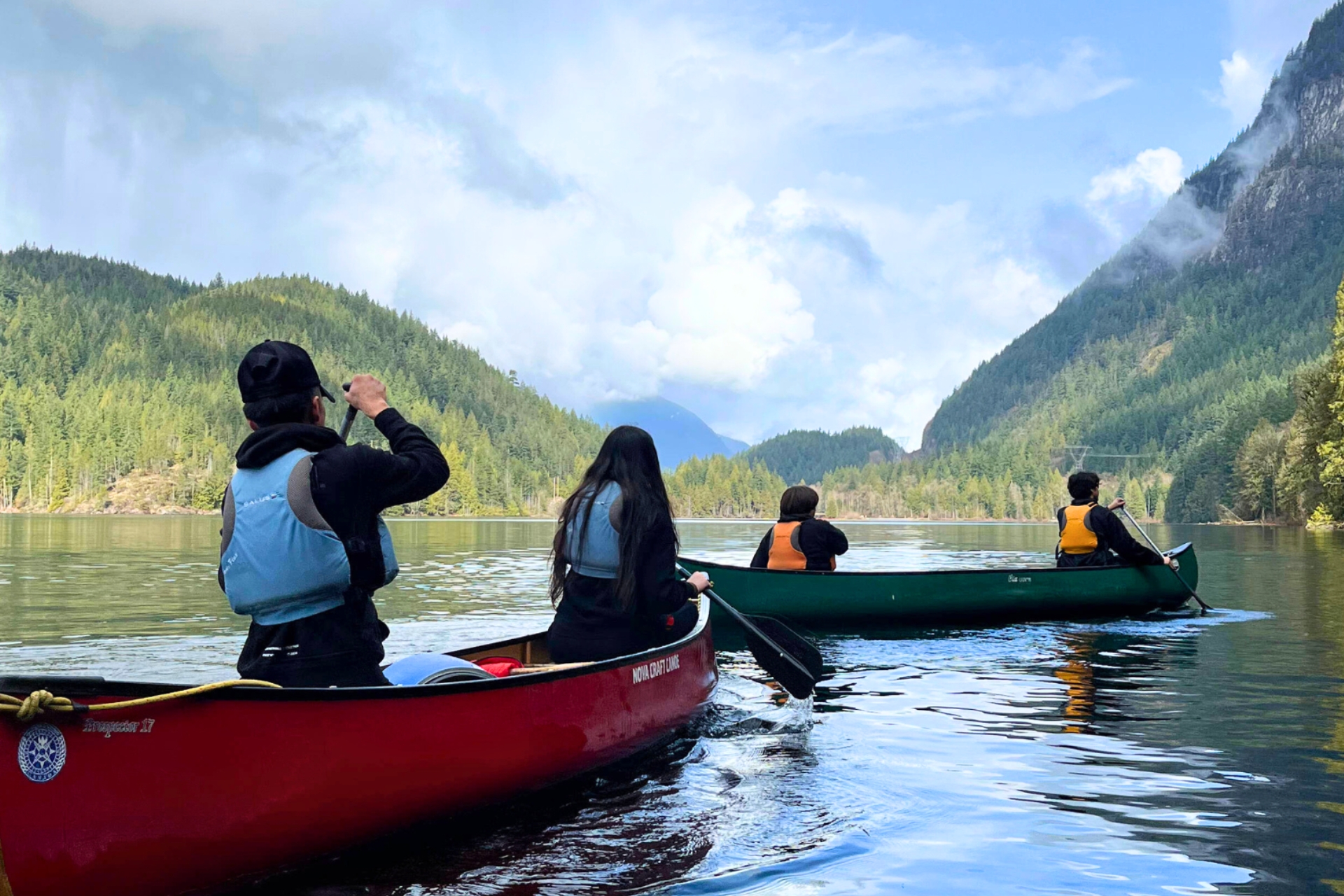
Outdoor and adventure experiences like Outward Bound Canada (OBC) programs provide what many youth are missing. Real challenges, a sense of mastery, genuine connection with peers and supportive adults, and space to experience independence.
What matters most is the quality of engagement. When young people feel connected and supported, those experiences have a much deeper impact than any program or intervention on its own.
Nevin, through your connection with OBC’s Research Advisory Council and your work in outdoor and nature-based therapy, how have you seen programs like OBC contribute to youth wellbeing?
It comes down to a few key factors. First, these programs build self-belief through challenge. A young person realizes, “I did that.”
Second, they build resilience through effort, completion, and sometimes failure. That process of trying again or adapting is incredibly valuable.
Third, there’s the social piece. These experiences happen in close groups where belonging and connection grow quickly.
And finally, there’s the environment itself. Fewer distractions, more space to think, and a natural setting that supports reflection. While it’s not therapy, these experiences help build the skills young people need to take care of their mental health.
You talk about the importance of connection, mastery, and independence. For parents or educators reading this, what are some simple ways they can start creating more space for those in young people’s lives?
Connection starts with time and presence. Conversations during meals, listening without jumping in to fix things. Being a steady presence rather than managing every outcome.
Mastery comes from doing things that matter to them. It doesn’t have to be academic. What matters is that they feel capable and see progress.
Independence is often the hardest for adults. It means giving young people space to make decisions, try things, and learn from mistakes. Asking “What do you think?” instead of stepping in with answers. These small changes build confidence over time.
There’s often a strong focus on protecting young people from discomfort. How do we balance keeping youth safe while still allowing them to face challenges that help them grow?
Safety is important, but the definition has expanded too far. Protecting young people from all discomfort can create a sense of fragility.
We can create environments that are “safe enough,” where there is support but also real challenge. Growth happens through manageable adversity. Adults should scaffold the experience, not remove the difficulty. Protect them from real harm, but not from life.
If there’s one change you would want adults to make after reading your book, what would it be?
Stop interfering so much and start trusting young people more.
Adolescence is supposed to be a struggle and an adventure. That’s how identity is formed. Instead of trying to fix everything, focus on creating conditions where they can thrive. Connection, challenge, and space to explore go a long way.
Is there anything you wish more people understood about young people today that often gets overlooked?
There are a lot of positive trends that don’t get talked about. Teen pregnancy is down, substance use is lower, and many young people are deeply engaged with social and environmental issues.
They aren’t more fragile. They’re responding to a different environment, one with less freedom, more pressure, and constant scrutiny. When given space, connection, and opportunities to grow, they show resilience and adaptability in powerful ways.
Join the conversation
This conversation is just a starting point. Watch our webinar with Will Dobud and Nevin Harper on to go deeper into these ideas and what they mean in practice.